
The Challenge Ahead
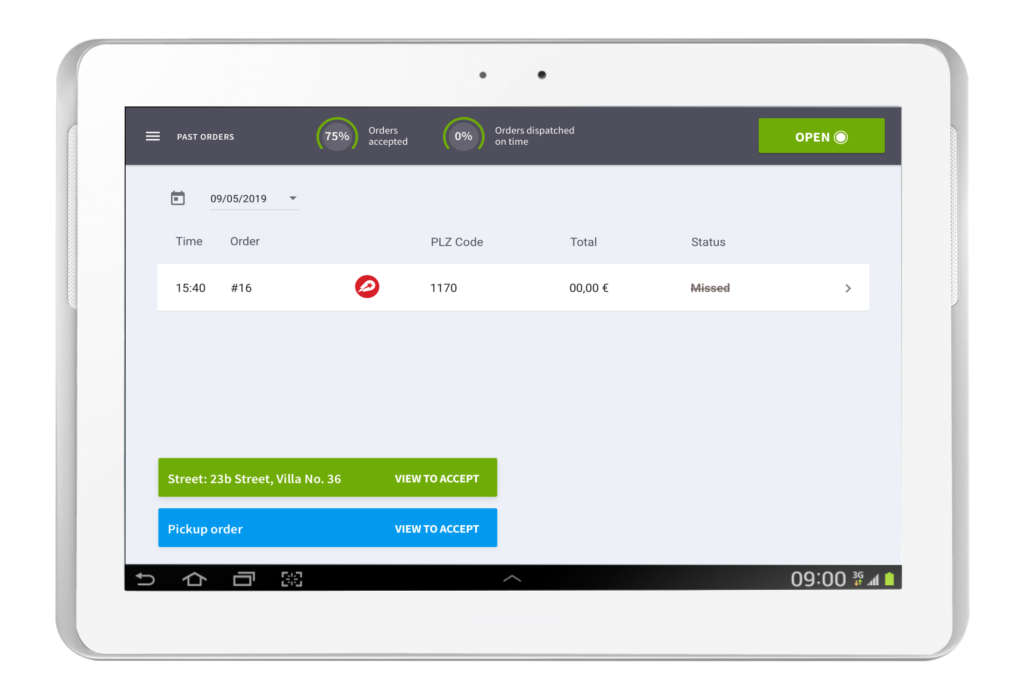
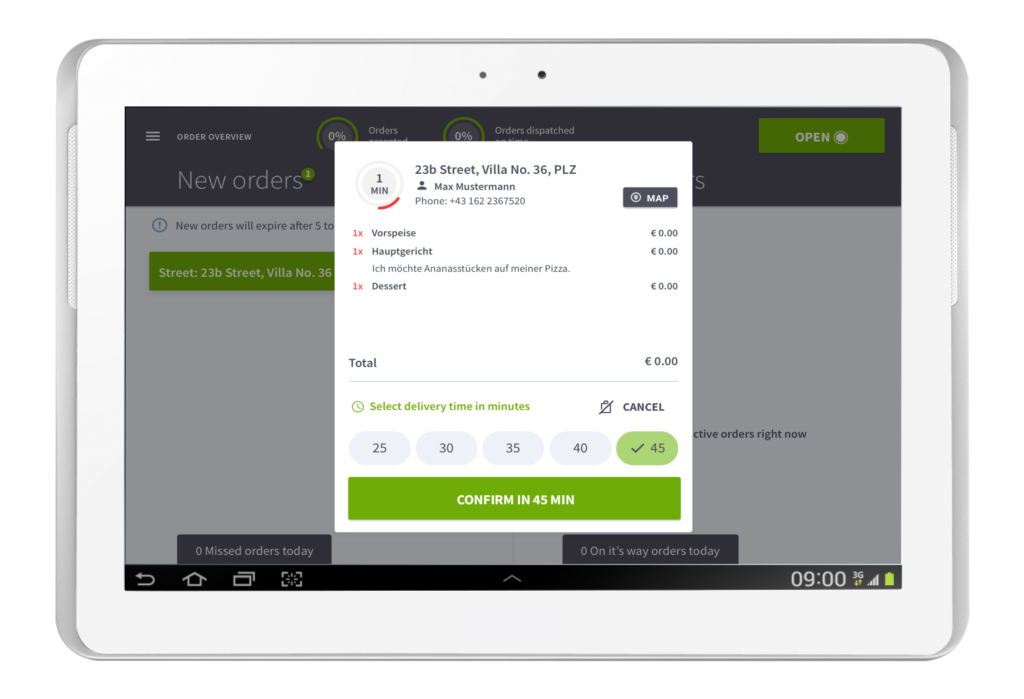
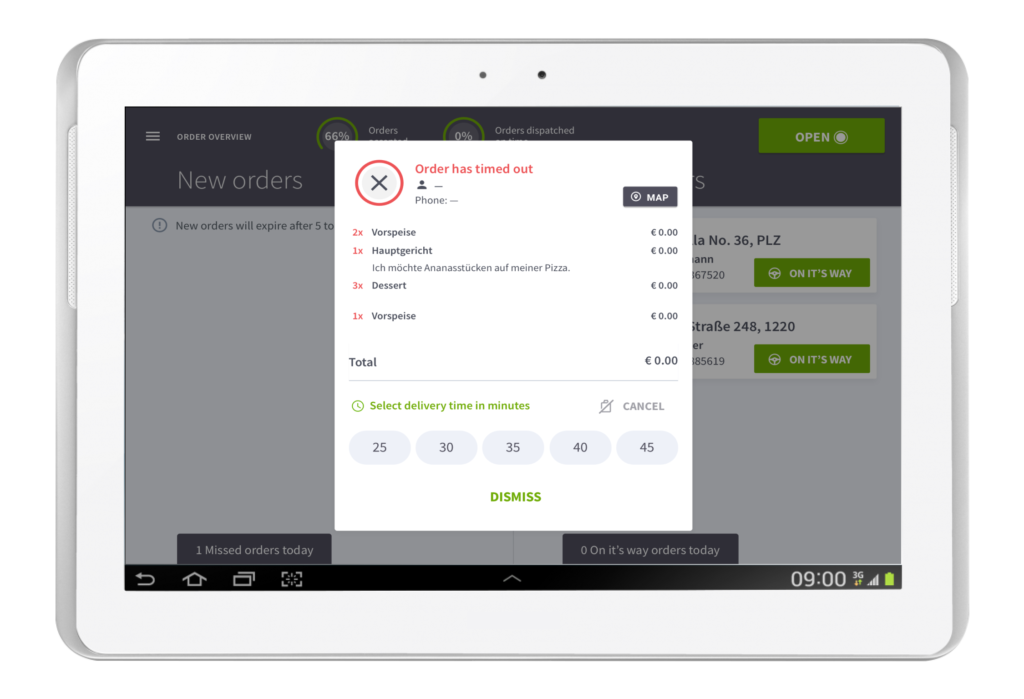
Delivery Hero, a leading multinational online food ordering and delivery platform, sought to enhance its mobile ordering experience for customers in 45 countries. As a Senior Product Designer within the global team, I was entrusted with the responsibility of providing user-centric solutions, conducting user research, and translating feedback into actionable design improvements. The challenge was significant, as we needed to create a mobile app that would compete effectively with users’ manual order processing while ensuring an efficient and rewarding digital flow.
Unveiling the Obstacles: Understanding User Context
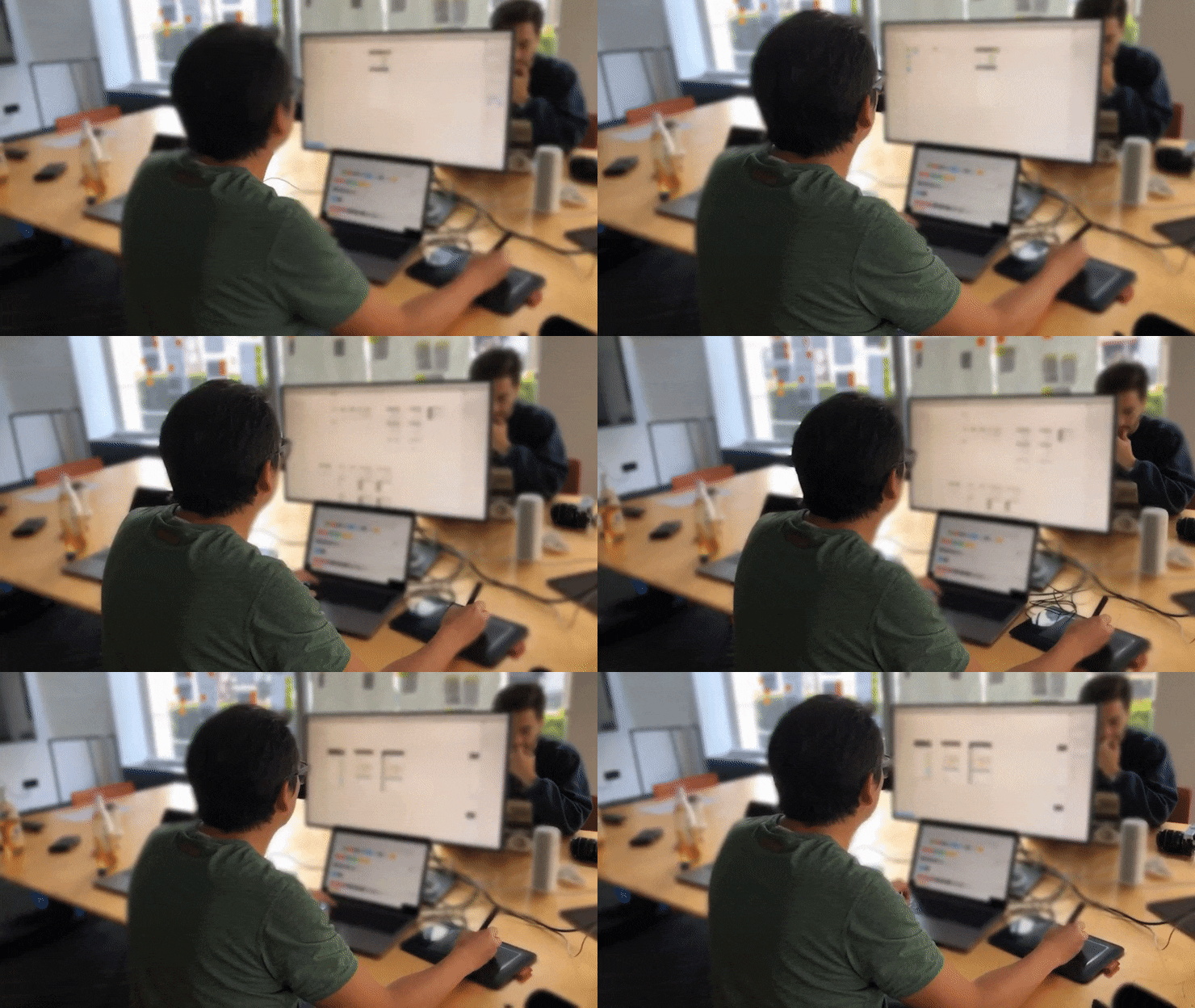
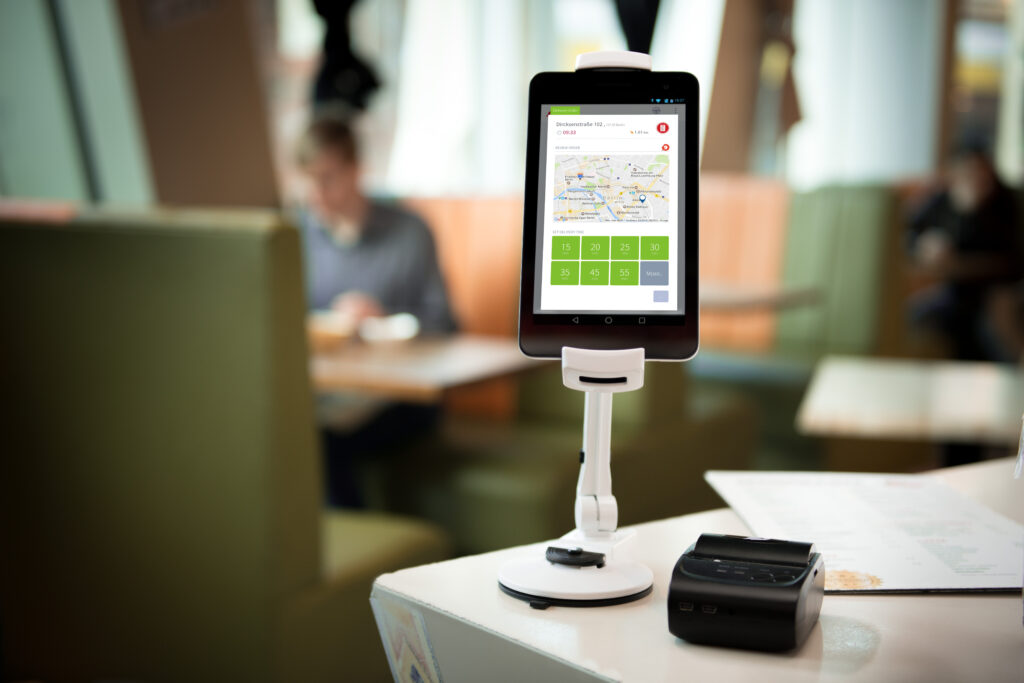
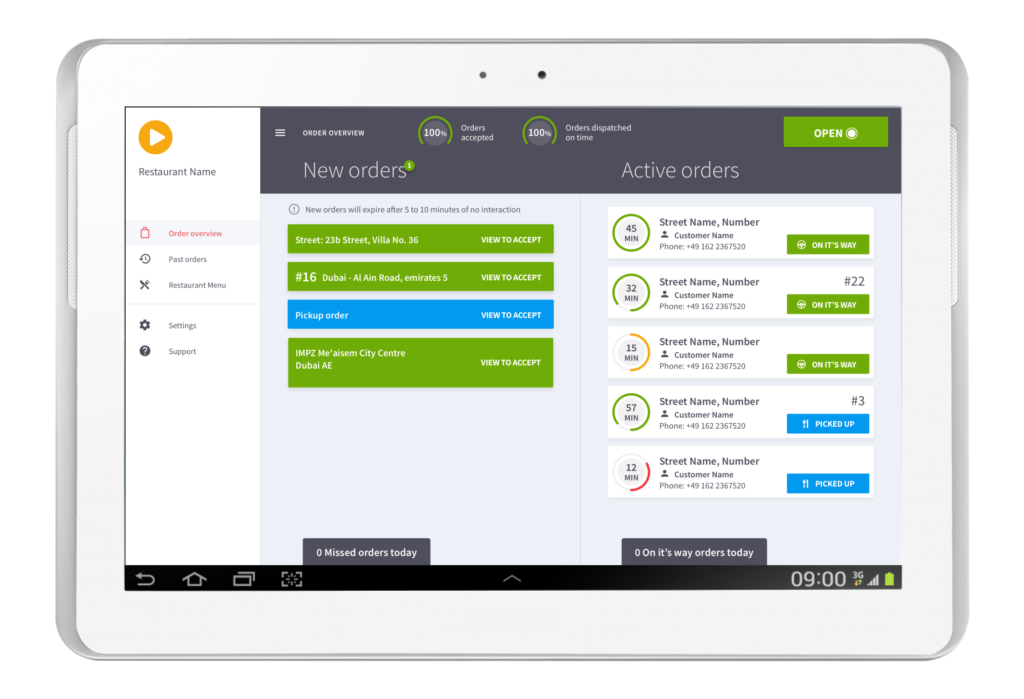
The design process began by acknowledging that the environment in which our product would function was ever-changing, with users often juggling manual and digital workflows. Prioritization of the backlog was crucial to address users’ most urgent needs. We focused solely on features related to the end-to-end order process and aimed to minimize the level of interaction required from users.
As we delved deeper into user research, we realized that observing users in their work environments was paramount to understanding their challenges with the app. Moreover, we learned the importance of preparing all parties involved in a rollout process for design changes, including customer support, operations, and, most importantly, the final users.
Iterative Insights: Learning from User Devices
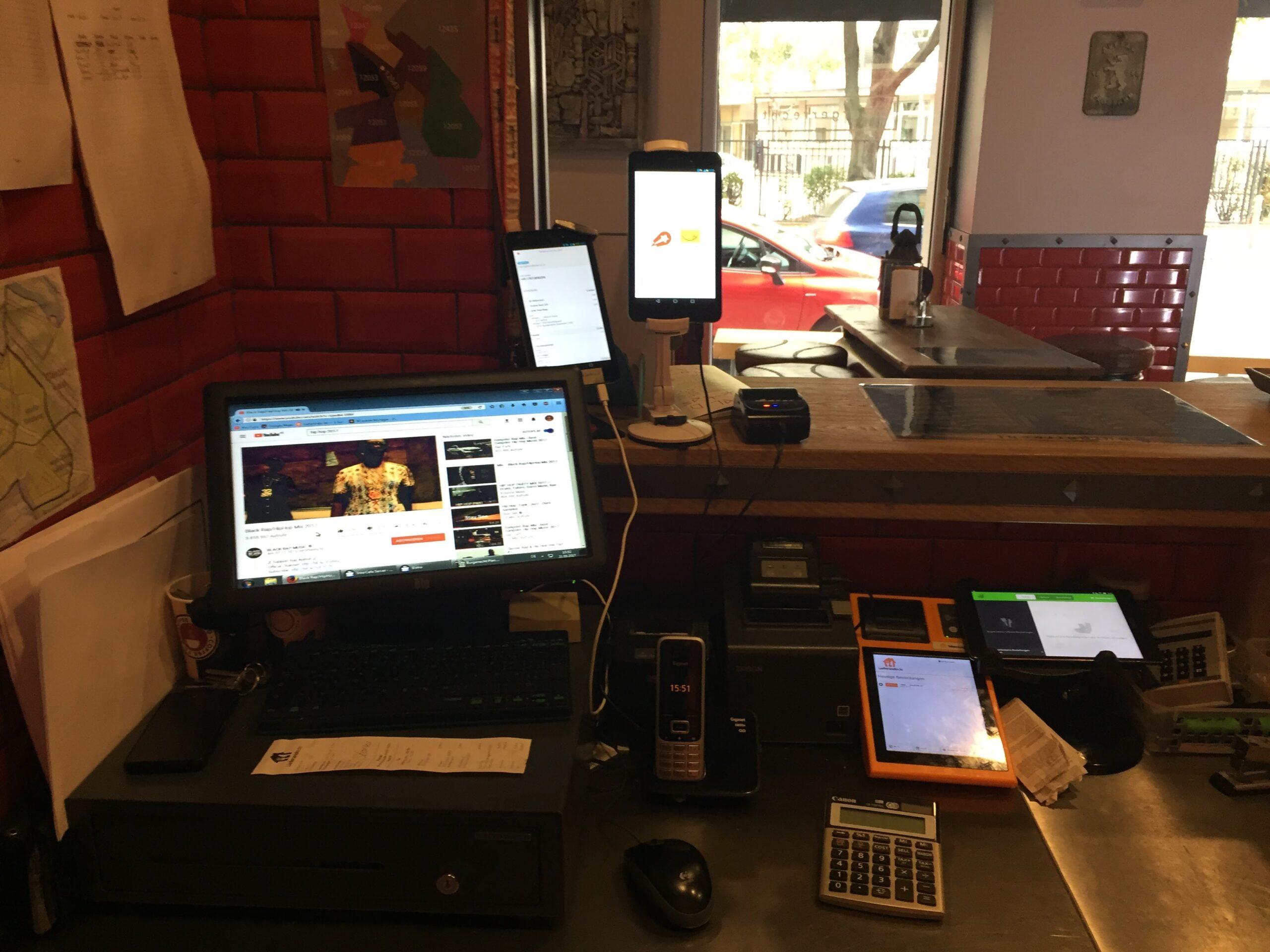
User testing provided valuable insights, but we encountered a discrepancy between results from controlled environments and real-life usage. We discovered that users’ devices and their daily interaction with the apps influenced the overall experience.
Understanding the holistic user experience became our mantra for future improvements, as we grasped the significance of focusing not just on how but where and when users interacted with the app.
Measuring Success: Metrics that Mattered
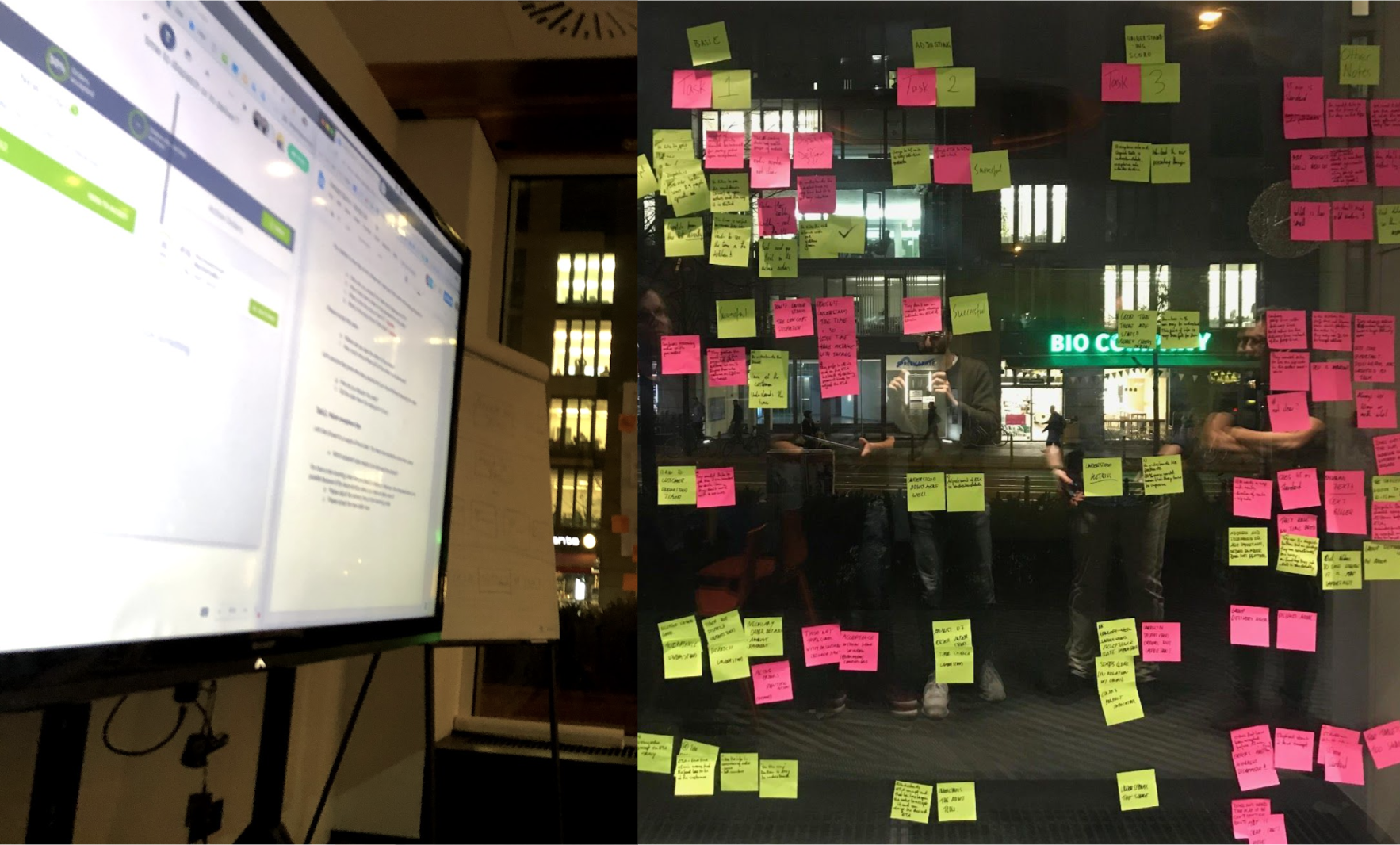
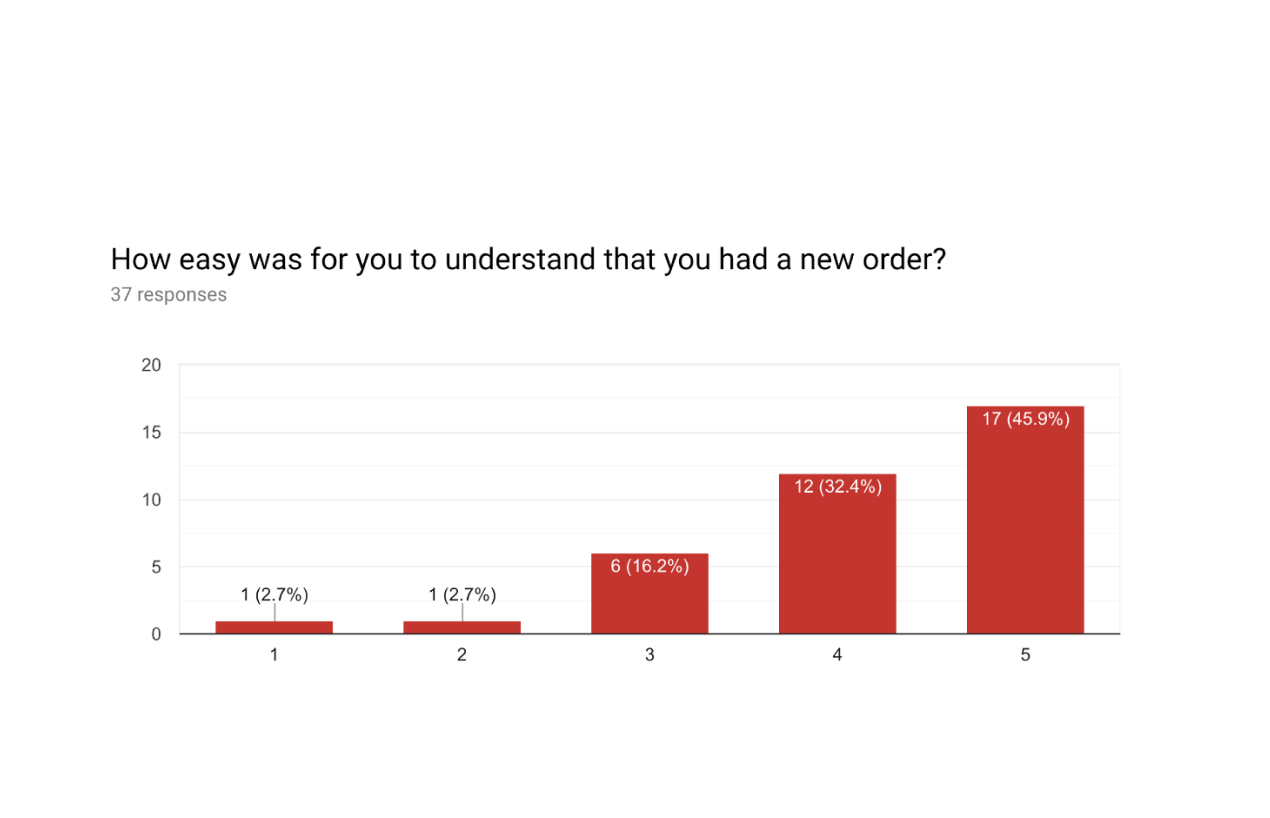
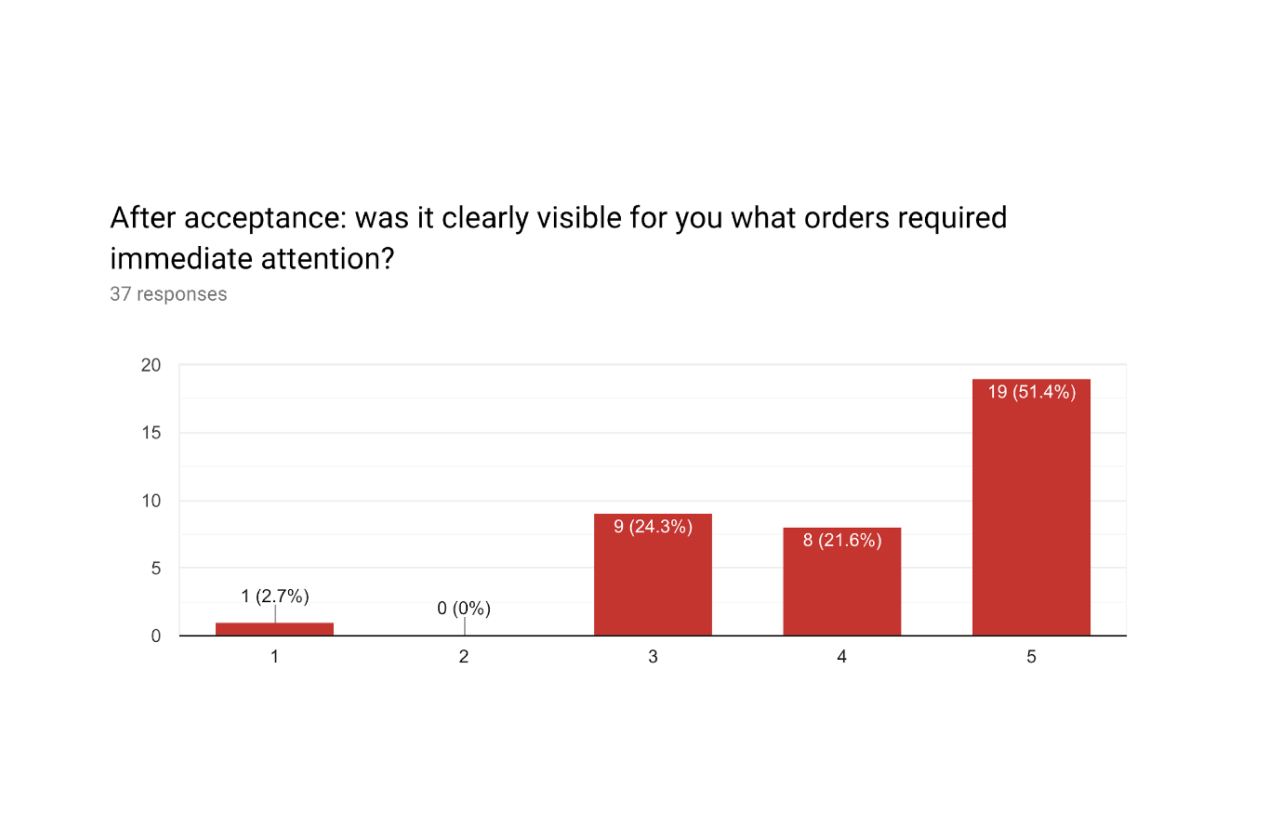
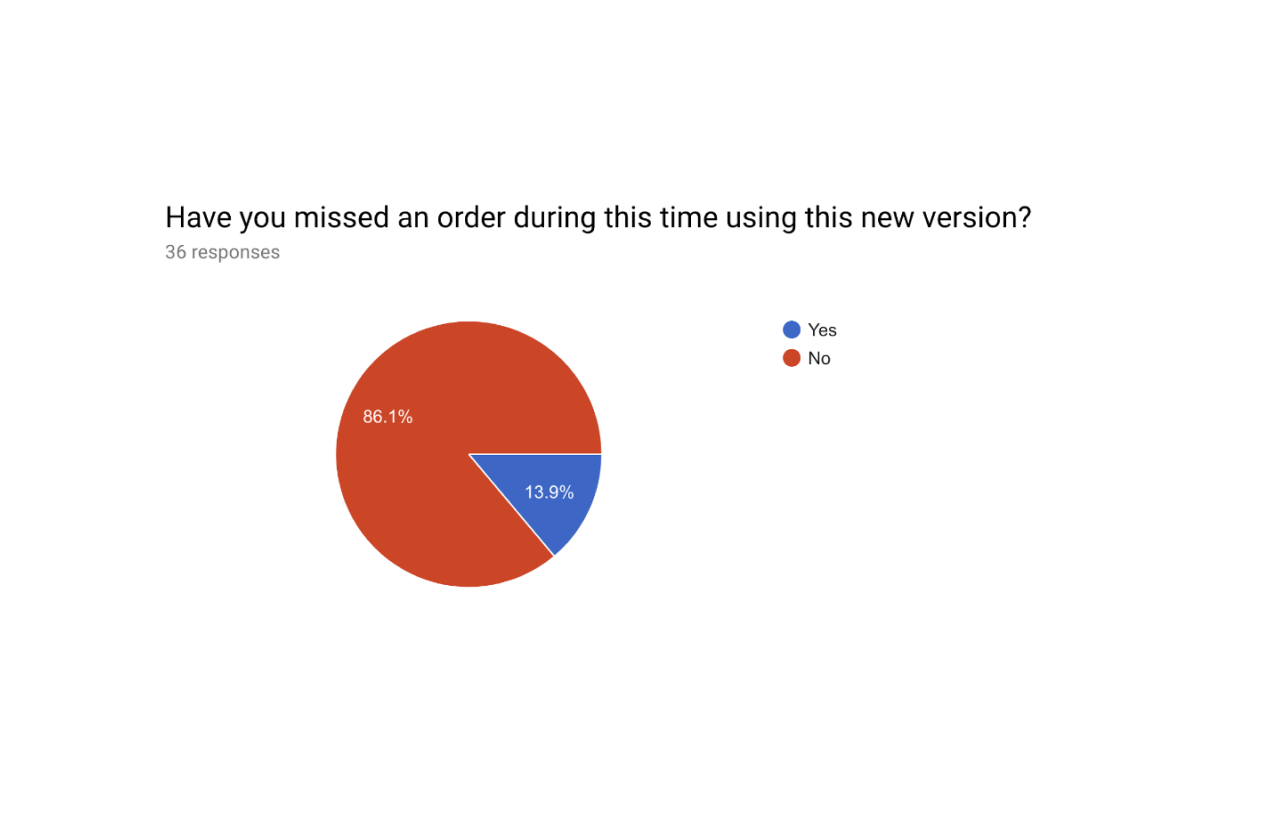
To evaluate the success of our redesigned mobile app, we defined key performance indicators (KPIs) such as task success rate, user error rate, and satisfaction score.
These metrics demonstrated significant improvements compared to previous iterations, allowing us to focus on relevant aspects of the user experience at different steps of the order flow.
VAluable takeaways
This project provided significant lessons and takeaways that shaped my approach to future design work. I learned the importance of aligning short-term product objectives with business goals, emphasizing the relation between new features and stakeholder needs.
Collaboration as a Driving Force
Interaction with various team members, including developers, product operations, customer service and product managers, played a pivotal role in the project’s success.
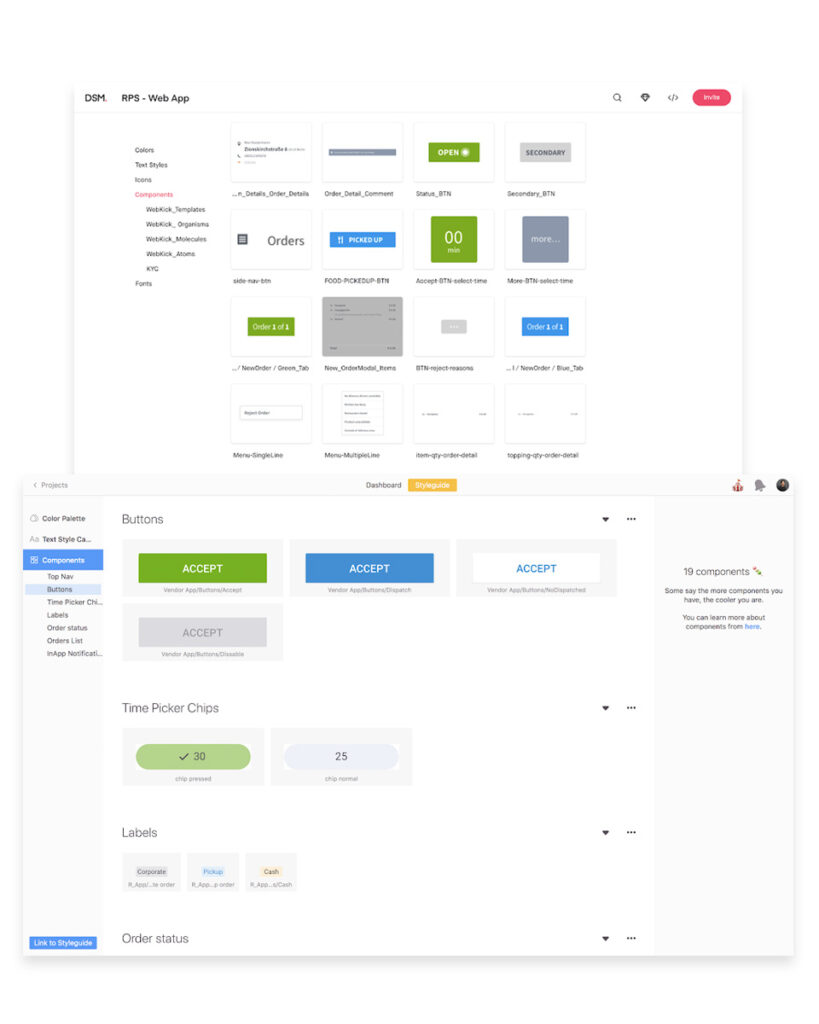
For example, our collaborative effort to build a robust design system was instrumental at Delivery Hero. It exemplified the power of aligning design and development, fostering consistency, and boosting productivity.
This collaboration included defining clear style guides, naming convention and repositories, carefully selected tools such as Zeppelin and Storybook and comprehensive documentation.
Transparency and ownership became the guiding principles in embedding the design workflow within existing agile approaches and promoting the use of user research information to make informed decisions.
conclusion: A recipe for success
In conclusion, our journey with Delivery Hero showcased the power of human-centered design in revolutionizing the mobile ordering experience. By addressing user needs and challenges, collaborating seamlessly with cross-functional teams, and focusing on holistic user experiences, we perfected the art of delivering delightful and efficient food ordering services to millions of customers worldwide. The lessons learned will continue to shape my future endeavors as I remain dedicated to creating meaningful, user-centric solutions that leave a lasting impact.